Waterlogic’s commitment to a sustainable future

The damage being done to our planet by single-use plastic pollution and unnecessary high carbon emissions is one of the most pressing issues of our time.


We have a responsibility to do whatever we can to change and improve this situation, and we continually work to reduce the negative impact we have on the natural world, as well as providing the tools for our customers to do the same
Environmental and social governance

Our seven areas of focus

Reducing the environmental impact of our goods and services

Driving customer change for more responsibly sourced water

Reducing the environmental impact of our goods and services

Supporting consumer health and well-being through hygienic certified workplace solutions

Building a rewarding and supportive culture of inclusion, diversity and well-being

Investing in our people and engaging in effective communication

Giving back to the community and making a real difference

How Waterlogic make an impact

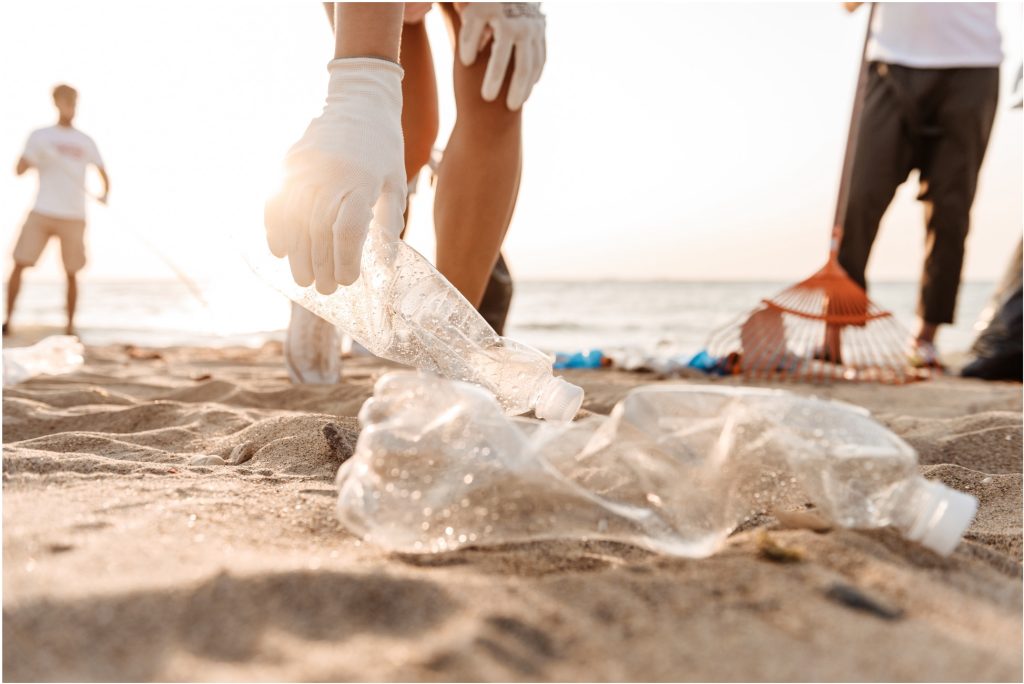
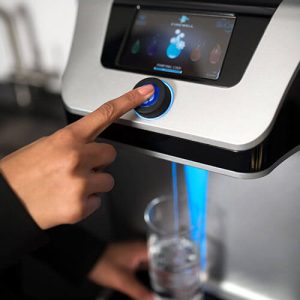
Waterlogic helps save billions of plastic bottles from landfill and our oceans

1,800,000

Freestanding and countertop dispensors globally helping to reduce the need for single-use plastics and glass bottles

That’s a massive 27.2 Billion bottles saved a year

At Waterlogic, we are committed to helping eradicate plastic

plastic-waste-shore

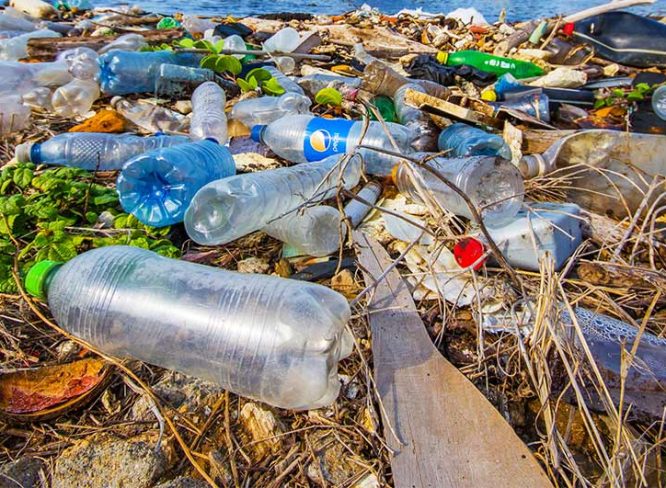
Globally, one million plastic bottles are bought every minute with just 9% recycled. By 2050, it is estimated that our oceans will contain more plastic waste than fish, with 12 billion metric tons of plastic in landfills taking more than 400 years to degrade. What’s more, the life-cycle greenhouse gas emissions from plastic gives rise to nearly 1.8 billion metric tons of CO2 a year; from petroleum extraction, manufacturing and transportation to incinerating and recycling. In fact, bottled water is 900 times more carbon intensive than drinking mains-fed water.

Sources: National Geographic; Euromonitor; World Economic Forum; University of California; Hydration in the Workplace.

01

The production and disposal of single-use plastic bottles continues to have a detrimental impact on our planet.

02

Streamlining production to limit waste

Waterlogic accepts that the world faces immense resource depletion and pollution, and we recognise the need for truly sustainable leadership. Throughout our supply chain we are whole-heartedly committed to reducing our contribution to climate change in a responsible and sustainable way, and helping our customers to meet their own environmental objectives.
why-2

Talk to us becoming a partner

We have an extensive distribution network of partners just like you. Find out how Waterlogic can provide the perfect solution for your hydration business.


Contact us today 

work-with-us
Comparing Bottle-free Cooler with a 500 ml single use plastic bottle of water chilled in a fridge, and tap water boiled in a kettle used over year(s).

You could save:

  • 500ml single-use plastic bottles1
  • kg of plastic2
  • kg of CO2 eq

That would equal:

  • Kilometres driven by a car3
  • Hours of LED light bulb operation4
  • Hours flown by plane5
  • Tree seedlings grown for 10 years6
Data presented is based on selected product region.
1. Based on the same volume of water consumed with Culligan products and with the most relevant comparator, such as 500 ml PET plastic water bottles, or water boiled in a kettle.
2. Based on the total weight of plastic used in 500 ml PET plastic water bottles, minus the total weight of plastic used in Culligan products and packaging.
3.Based on the carbon impact of the distance driven by an average gasoline-powered passenger vehicle, based on US EPA https://www.epa.gov/energy/greenhouse-gas-equivalencies-calculator
4. Based on the carbon impact of a 9 watt light-emitting diode (LED) bulb operated in Australia.
5. Based on the carbon impact of the number of hours flown by Boeing 747-400 (used for long distance international flights), based on Carbon Independent https://www.carbonindependent.org/22.html
6. Based on the carbon removal benefit of a medium- growth coniferous or deciduous tree, planted in an urban setting and allowed to grow for 10 years, based on US EPA: https://www.epa.gov/energy/greenhouse-gases-equivalencies-calculator-calculations-and-references#seedlings